300 Hangover

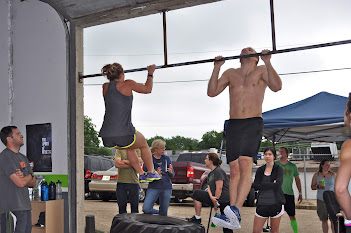
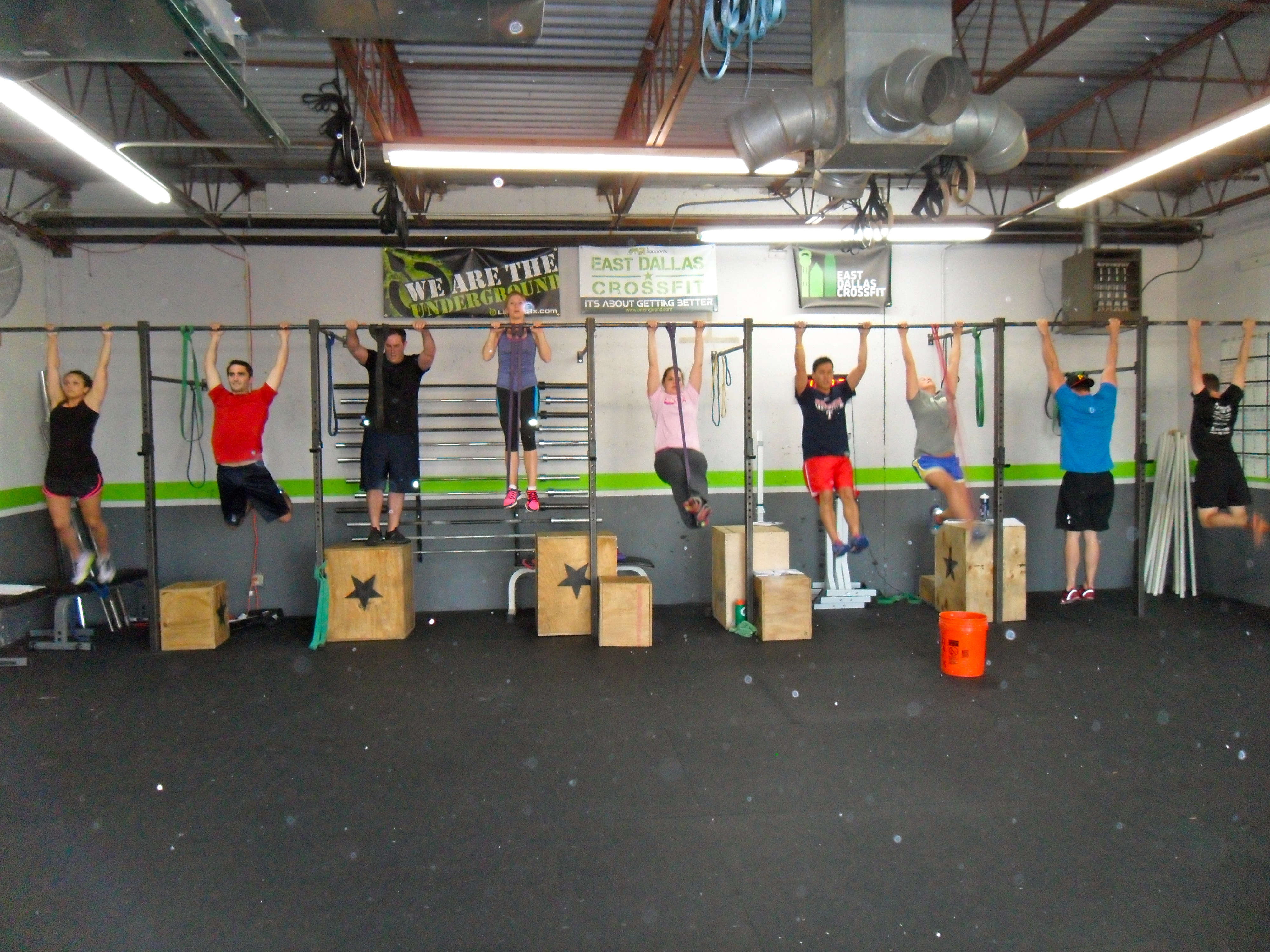
Our first ever event at EDCF, this past weekend’s 300 Challenge, was a great success! The participation and turnout of those who didn’t participate really showed how our community is coming together. Despite coming away with a lot of sweat loss, some battered shins, and mild lightheadedness, you guys also should feel good about the cause we were able to help out. As of right now we have over 50 pairs of shoes as well as more than enough money in donations to cover the cost of shipping! A big thanks goes out to everyone to contributed!

I would also like to give a shout to the winners of the each division:

Advanced men: Adam Hauser

Advanced women: Kimberly White

Intermediate men: Matt Hatcher

Intermediate women: Emily Hetrick

Beginner men: Sam Copeland

Beginner women: Marcia Savard

A big thanks also goes out to Heather Nice for helping with the shoe drive, Kristen Lucas for taking some awesome pictures found here, Reebok for supplying the kicks, and Dr. Nick and his massage therapist Gabby for working on all the athletes.

We are looking forward to doing this every year as well as some other events too! Next up on the list is Memorial Day Murph!
The 300 Challenge: Scaling Options

So some of you guys were asking about the scaling for the 300 challenge in order to make a decision about signing up. Well here ya go!

All will have a 20 min cut-off.
Advanced Men
– 25 Pull-ups
– 50 Deadlifts 135#
– 50 Box Jumps 24″
– 50 Push-ups
– 50 Floor WIpers 135#
– 50 KB Clean & Press 35#
– 25 Pull-ups

Advanced Women
– 25 Pull-ups
– 50 Deadlifts 95#
– 50 Box Jumps 20″
– 50 Push-ups *from knees
– 50 Floor WIpers 95#
– 50 KB Clean & Press 25#
– 25 Pull-ups
Intermediate Men
– 25 Pull-ups w/ band
– 50 Deadlifts 115#
– 50 Box Jumps 20″
– 50 Push-ups *from knees
– 50 Floor WIpers 115#
– 50 KB Clean & Press 35#
– 25 Pull-ups w/band
Intermediate Women
– 25 Pull-ups w/ band
– 50 Deadlifts 65#
– 50 Box Jumps 15″
– 50 Push-ups *from knees
– 50 Floor WIpers 65#
– 50 KB Clean & Press 18#
– 25 Pull-ups w/ band
Beginner Men
– 25 Pull-ups w/ band
– 50 Deadlifts 95#
– 50 Box Jumps 15″
– 50 Push-ups *from knees
– 50 Floor WIpers 95#
– 50 KB Clean & Press 25#
– 25 Pull-ups w/band
Beginner Women
– 25 Pull-ups w/ band
– 50 Deadlifts 45#
– 50 Box Jumps 15″
– 50 Push-ups *from knees
– 50 Floor WIpers 45#
– 50 KB Clean & Press 13#
– 25 Pull-ups w/ band
Everyone besides the advanced men will be able to pick which band(s) they would like to use for the pull-ups. Be thinking about which group you would like to be a part of. I will be sending out an email asking the list of people who have signed up on Wednesday asking their group preference. If you haven’t signed up yet then DO IT.

300 Challenge Soles 4 Souls Shoe Drive Details


As part of the 300 Challenge, we’ve teamed up with Soles 4 Souls charity and will be hosting a shoe drive for the remainder of May. Soles 4 Souls is a great organization that has helped raise over 17 million pairs of shoes for those in need, and distributed them to 127 countries. To learn more, visit their website: http://www.soles4souls.org/about/

How to Donate? 3 Ways!

1) Bring your shoes to the gym during the 300 Challenge on May 12th from 9:00 AM – 1:00 PM. You’re welcome to stick around and watch the competitors, or grab a bite to eat.

Our Address:
East Dallas CrossFit
2201 Tucker St. #106
Dallas, TX 75214
*We’re directly across the street from the White Rock YMCA, behind La Parillada.


2) If you live near the gym, you may receive a bag /flier on your door this coming weekend. If you have shoes to donate, leave them out on your front porch on Saturday May 19th. We will be by sometime between 10:00 – 2:00 to pick them up.
 

3) If you can’t make either of these days, please feel free to bring your shoes by the gym anytime between now and the end of May. We will have a donation box inside the gym. Be sure to check the class schedule to make sure someone is there. We’re only open during class times.


What to Donate? 

Shoes – Both used and new. Soles 4 Souls accepts anything – Tennis Shoes, Heels, Sandals, etc.

Money – We will also be taking monetary donations to help offset the cost of shipping. We are responsible for shipping the shoes we collect directly to the nearest Soles 4 Souls warehouse. $1/ pair of shoes is our goal.


FAQs from Soles4Souls.org

What types of shoes do you accept? 

Soles4Souls accepts all types of shoes: athletic, running, dress, sandals, pumps, heels, work boots, cleats, dance, flip flops, just as long as they are new or gently worn.

How do I obtain a tax receipt? 

You can fill out the form here: http://www.soles4souls.org/get_involved/tax_receipt.html and they will send you one from the corporate office.


Other questions? Visit http://www.soles4souls.org/

Chef Chuck: Cooking Off The Fat

Charles came to the first workout we ever had at the gym. Back when there was no electricity and it was 105 degrees outside. In the past year, since starting paleo and being introduced to the CrossFit methodology, Charles has dropped about 20lbs and around 10″. A Chef at Company Cafe and Two Sisters, Charles is always around temptation to stray away from his diet but after noticing immediate results, he has continued on the straight and narrow. Increases in energy levels and lean mass composition are two other positive side effects to his healthy diet. Keep up the good work Charles. You look great!

———————–

Sign up for the 300 Challenge HERE. About 15 spots left and everyone is welcome!

The 300 Challenge Is Upon Us

You might have noticed something a little different about the top of the page…

What 

The 300 Challenge is a workout designed to test stamina, strength, power, and heart. The workout was designed by the trainers of the actors in the movie 300 and used as a cap-off to an intense 10 week training regimen; A graduation test of sorts. The workout gets its name from the 300 total repetitions that comprise it. This workout is perfect for athletes of any level and is difficult enough to bring out your inner warrior.  All athletes will take on Spartan 300 WOD.  This is open to the public.

For time with a 20 min cut-off:

25 pull-ups
50 deadlifts
50 pushups
50 box jumps
50 floor wipers
50 one-arm kettlebell clean & press (25/arm)
25 pull-ups

When

The madness will take place on Saturday, May 12th beginning at 9am sharp! Movement standards will be demonstrated at 9 with the first heat starting at 9:20.

Where

East Dallas CrossFit located at 2201Tucker St., Suite 106, 75214.

RSVP

Only the first 30 to sign up will be allowed to compete. Please REGISTER HERE.

Muscle Soreness: Prevention and Relief

So “Nicole” came and went on Monday. It’s safe to say that many of you are still feeling some residual soreness from all of the pull-ups. Let’s talk about soreness for a minute. Soreness is cause by micro-trauma, or small tears, in the muscles due to constant stimulation. After this breakdown, the muscle restructures and grows larger which is also known as hypertr0phy. The muscle will grow bigger and stronger given the correct nutritional and recovery conditions. So soreness is expected on some levels. The technical term for a more delayed soreness response is Delayed Onset Muscle Soreness. DOMS can start anywhere between 8-24 hours and may peak around 24-72 hours post exercise. Pain with DOMS is usually only felt when the muscle is stretched or put under pressure. If you have a muscle that is hurting while at rest, it may be due to a pull or strain and should be dealt with accordingly. DOMS is more closely associated with a more eccentric loading of the muscles. This is when the muscle is lengthened while being contracted. The onset of soreness is different for every individual and will vary depending on the type of workout and level of fitness. So how do you address soreness before and after it hits?

Prevention

– Make sure to perform a more dynamic warm-up and try to stay away from static stretches.

– Focus on specific movements or joint angles that are present in the WOD when warming up.

– Cool down, stretch, foam roll, and/or trigger point post WOD paying close attention to any problem areas.

Relief

– If soreness is really bad, don’t be afraid to ice or take some anti inflammatory medication.

– Make sure to stick to a an anti inflammatory diet such as the Paleo diet and be weary of grains or sugars that will spike the insulin response.

– Drink tons of water. Drink until you feel like your teeth are floating. This will help remove toxins.

– Wear compression gear during or after the WOD for recovery to promote blood flow to sore areas.

– Low-intensity activities such as yoga, walking, or swimming can help muscles heal faster by increasing blood flow to the muscles.

Feel It All Around

A little look into the 3 position snatch drill performed yesterday…

Embedly Powered

Embedly Powered

Is there anything that you see that these two athletes can do differently?

—————-

FREE Saturday morning WOD @10am

South Central Regionals this weekend in San Antonio. If you haven’t checked out the workouts, they are brutal!!

Fitness Defined: Part II

Sam conquering the 3 position snatch drill.

“An evolving journey and exploration of the connection between spirit, mind and body WHILE attempting to discover physical potential WHILE leading to discovering purpose and producing longevity of oneself.”

– James Fitzgerald

Part I of this series of post can be found here.

The metabolic pathways. To understand fitness at a biological level you must have basic knowledge of the 3 metabolic pathways which provide the body with energy to perform. They are known as the phosphocreatine, glycolytic, and oxidative pathways. The first pathway, the phosphocreatine system, provides sources of energy in very short yet intense bouts. Think of it as picking something heavy up just one time, sort of like a one rep max. Since the body does not have time to react, take in oxygen, and produce ATP, it relies on a readily available storage of phosphocreatine found in the muscles. The kicker is that there is not very much of it and after about 10 or so seconds your storage is up and the second energy system kicks in, the glycolytic pathway. The glycolytic system is the most commonly associated with more moderate levels of training (going off the notion that a 1RM is a high level). This is where the majority of CrossFit WODs are performed at. This system operates both aerobically and anaerobically. The more efficient you are anaerobically, the faster you can work through a given time frame (higher power output). The more power you produce, the more that favorable adaptation will occur. This is where the good stuff is, where fat storages are tapped into and lean muscle building thrives. The glycolytic system works up to about 10 minutes in duration. If the intensity is lower than it takes for the glycolytic system to initiate, the aerobic or oxidative pathway takes over. Long, sustainable energy output like that used on long runs or bike rides is due to the oxidative pathway. This system’s main source of energy is carbohydrates found in the blood, liver, and muscles and needs a constant supply of oxygen to maintain ATP output. If you were to be on a long run and suddenly a dog starts chasing you out of no where, you can bet the primary energy system in use would switch back from oxidative to glycolytic. Below is a graph explaining the three energy systems’ production as a function of time.

Note: the glycolytic system is referred to as the “Lactic Acid System” in this graph.

What does this have to do with fitness? Greg Glassman says is best:

“Total fitness, the fitness that CrossFit promotes and develops, requires competency and training in each of these three pathways or engines. Balancing the effects of these three pathways largely determines the how and why of the metabolic conditioning or “cardio” that we do at CrossFit.”

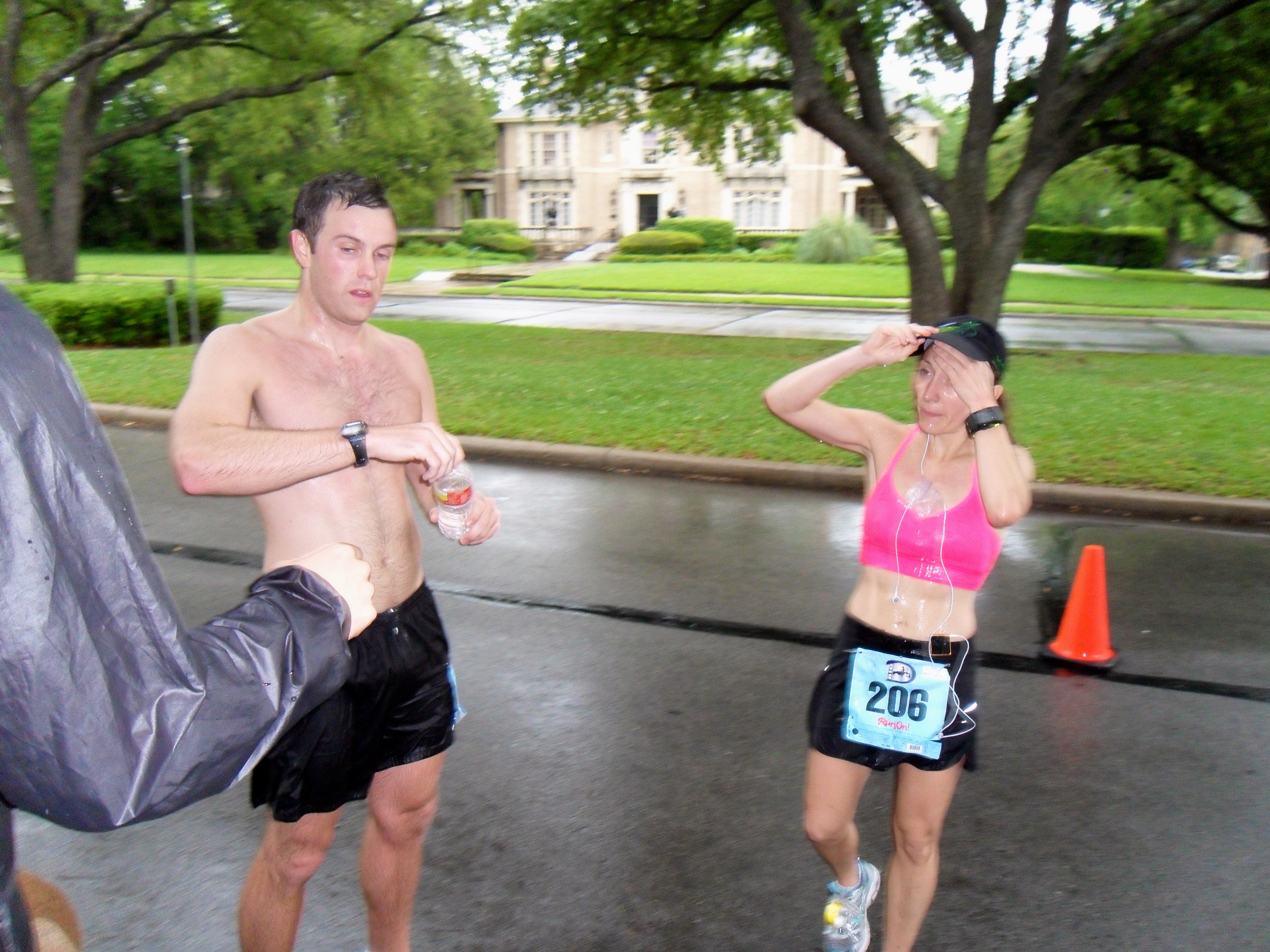
Anaerobic training. Interval training is the key to developing the cardiovascular system without loses in strength, power and speed. Just ask co-owner Ben O. who recently finished his first marathon well under 4 hours largely due to interval training and not a lot of  the typical longer, more aerobic training. Interval training can be done in a variety of ways with added rest or shortened time intervals of high effort. If you train more in the anaerobic zone, you will see benefits in both strength and endurance (oxidative system). Training in the oxidative zone will not yield benefits to strength, speed and power. Look at the bodies of these two completely different types of runners and tell me which you think looks healthier and better suited for a more well-rounded performance.

It is important to regularly vary combinations of rest, work and repetitions when training with interval patterns. Lucky for you, this is what we do everyday at the box.